
In a world filled with constant distractions and unforeseen challenges, it's easy to find yourself engulfed by the small tasks that pile up each day. Before you know it, minor hiccups can become a mountain of stress if not managed proactively. But with a strategic approach to organization, even those seemingly insurmountable daily disruptions can be handled with grace and efficiency.
The Daily Disruption Dilemma
Every day bombards us with unexpected tasks—emails, last-minute meetings, a phone call from the school nurse. These constant disruptions test our organizational capabilities, leading to a chaotic mental state that only exacerbates the pile-up of smaller issues. The first step to overcoming this dilemma is acknowledging the problem before it spirals out of control.
Creating a Built-in Buffer
One useful strategy is to build a buffer into your day. Mary, an executive assistant, swears by her '10-minute buffer rule' where she allocates ten minutes between each task for potential disruptions. This simple approach can absorb minor delays before they cascade into your larger schedule. Adopting a flexible mindset toward time allows for unexpected issues to be managed without complete derailment.
The Prioritization Trinity
It can be advantageous to sort your tasks using what Jacob refers to as the 'Prioritization Trinity': Immediate, Important, and Optional. Each task gets slotted into one of these categories each morning, dictating the focus of your day. Knowing which tasks require immediate attention versus those that can be postponed helps ensure that small issues don't overshadow critical obligations.
Harnessing Digital Tools Wisely
Our digital world offers countless tools to streamline daily chaos, yet without discipline, they can contribute to it. Leah uses project management apps to track tasks and deadlines, syncing them with her calendar for efficiency. The key is selecting the right tools that complement your self-management style without adding extra complexity to your workflow.
Building Systematic Routines
Having a routine creates predictability amidst unpredictability. Olivia, a freelance graphic designer, operates with a morning routine that fortifies her focus. Reading emails and responding in blocks, setting specific times for creative work, and sticking to scheduled breaks can anchor your day. A disciplined routine redirects mental energy from managing chaos to productivity.
Mindful Time Management
Mindfulness in time management is about being actively aware of how each moment is spent. David, who manages a busy sales team, advises short gratitude moments between tasks to regain focus and appreciation. This practice of mindfulness reduces stress and improves mental clarity, allowing small issues to be tackled with a calm and centered mind.
The Physical Workspace Makeover
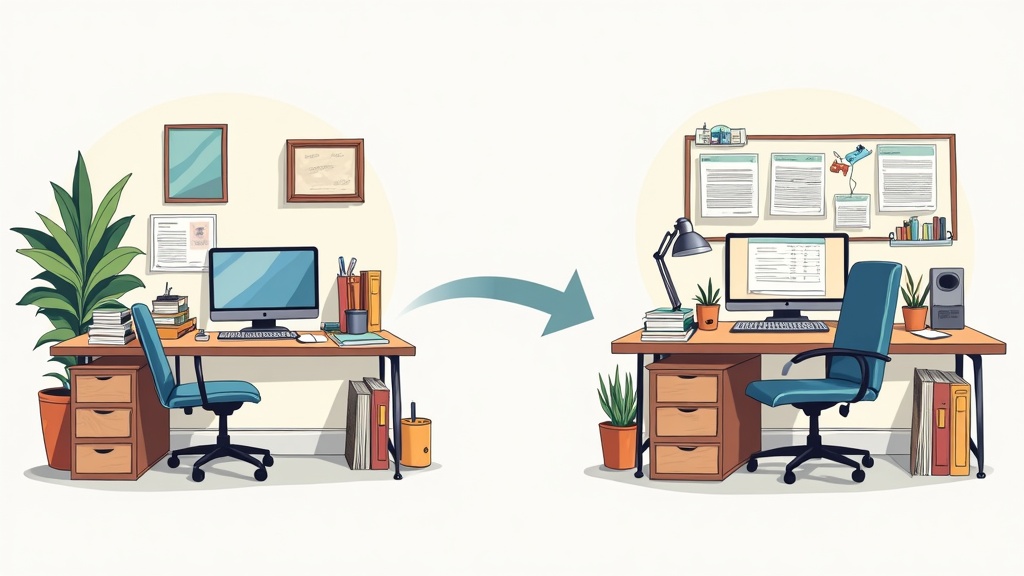
A cluttered desk can translate to a cluttered mind. To combat this, Sarah, a human resources manager, instituted the 'End-of-Day Reset.' Fifteen minutes before leaving, she organizes her desk. This daily habit ensures she starts the next day with a clear workspace and clear mind, ready to handle anything coming her way.
Reflection and Adjustment
Reviewing your strategy periodically is crucial. Kyle, who works in IT, dedicates an hour each Friday afternoon to reflect on what worked and what didn't in his weekly routine. This reflection leads to adjustments that enhance future performance and ensures small daily issues don't derail his larger goals.
The Power of Delegation
Not everything needs to be handled personally. Jasmine emphasizes the importance of delegation whenever possible. By entrusting others with certain tasks, it alleviates personal pressure and encourages team collaboration, allowing for a collective approach to problem-solving when daily issues arise.